Based in the courtyard Ratoath right beside the salt rooms.
empiresaltandrecovery@gmail.com
The Recovery Rooms -

Feel Well, Stay Well
Benefits of using our Cryosauna
Cryotherapy is a quick and healthy procedure that enhances general wellbeing and re-energizes the body while accelerating the body's natural recovery.
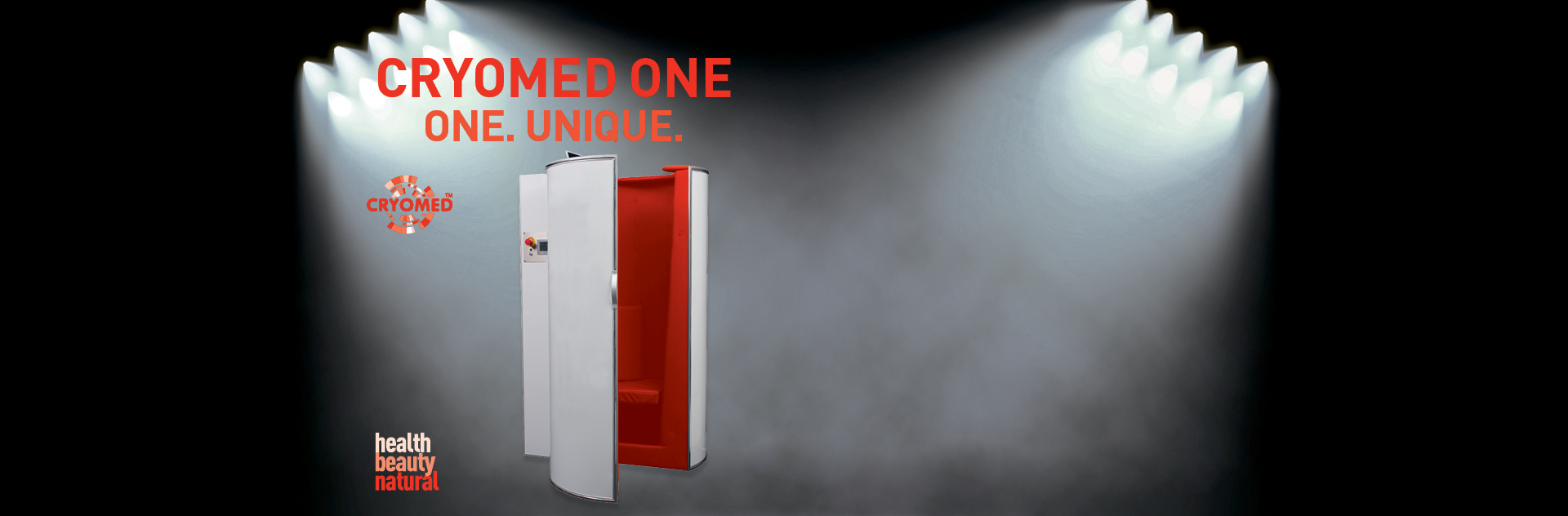
The body is submerged in a pulsating, -140°C mist while in the Cryo Sauna. Many advantages can be achieved in as little as 3 minutes in our full-body cryotherapy sauna including
1. Cleansing your entire body
2. Increased synthesis of Collagen
3. Improved metabolism
4. Reduced inflammation
Dry, non-invasive cryotherapy reduces a person's skin temperature to 5 degrees over the course of up to 180 seconds.
1. Cleansing your entire body
2. Increased synthesis of Collagen
3. Improved metabolism
4. Reduced inflammation
Dry, non-invasive cryotherapy reduces a person's skin temperature to 5 degrees over the course of up to 180 seconds.
1. Reduces migraine symptoms
Cryotherapy can help treat migraines by cooling and numbing nerves in the neck area.
That applying a neck wrap containing two frozen ice packs to the carotid arteries in the neck significantly reduced migraine pain in those tested. It’s thought that this works by cooling the blood passing through intracranial vessels. The carotid arteries are close to the skin’s surface and accessible.
2. Numbs nerve irritation
Cryotherapy can help treat migraines by cooling and numbing nerves in the neck area.
That applying a neck wrap containing two frozen ice packs to the carotid arteries in the neck significantly reduced migraine pain in those tested. It’s thought that this works by cooling the blood passing through intracranial vessels. The carotid arteries are close to the skin’s surface and accessible.
3. Helps treat mood disorders
The ultra-cold temperatures in whole-body cryotherapy can cause physiological hormonal responses. This includes the release of adrenaline, noradrenaline, and endorphins. This can have a positive effect on those experiencing mood disorders like anxiety and depression.
that whole-body cryotherapy was actually effective in short-term treatment for both.
4. Reduces arthritic pain
Localized cryotherapy treatment isn’t the only thing that’s effective at treating serious conditions;
that whole-body cryotherapy significantly reduced pain in people with arthritis. They found that the treatment was well-tolerated. It also allowed for more aggressive physiotherapy and occupational therapy as a result. This ultimately made rehabilitation programs more effective.
5. Treats atopic dermatitis and other skin conditions
Atopic dermatitis is a chronic inflammatory skin disease with signature symptoms of dry and itchy skin. Because cryotherapy can improve antioxidant levels
in the blood and can simultaneously reduce inflammation, it makes sense that both localized and whole-body cryotherapy can help treat atopic dermatitis. Another study (in mice) examined its effect for acne, targeting the sebaceous glands.
Risks & Side Effects
The most common side effects of any type of cryotherapy are numbness, tingling, redness, and irritation of the skin. These side effects are almost always temporary. Make an appointment with your doctor if they don’t resolve within 24 hours.
You should never use cryotherapy for longer than is recommended for the method of therapy you’re using. For whole body cryotherapy, this would be more than three minutes.
Those with diabetes or any conditions that affect their nerves should not use cryotherapy. They may be unable to fully feel its effect, which could lead to further nerve damage.
Pain relief and muscle healing. Cryotherapy can help with muscle pain, as well as some joint and muscle disorders, such as arthritis.
• Weight Loss.
• Reduced inflammation.
• Preventing dementia.
• Reducing anxiety and depression.
• Improving symptoms of eczema.
• Treating Migraine Headaches.
You should never use cryotherapy for longer than is recommended for the method of therapy you’re using. For whole body cryotherapy, this would be more than three minutes.
Those with diabetes or any conditions that affect their nerves should not use cryotherapy. They may be unable to fully feel its effect, which could lead to further nerve damage.
Pain relief and muscle healing. Cryotherapy can help with muscle pain, as well as some joint and muscle disorders, such as arthritis.
• Weight Loss.
• Reduced inflammation.
• Preventing dementia.
• Reducing anxiety and depression.
• Improving symptoms of eczema.
• Treating Migraine Headaches.